

About Ayurveda
The science of life — a complete system of health handed down by the great Acharyas Charaka, Sushruta and Vagbhata.
What is Ayurveda?
Ayurveda (Āyuḥ = life, Veda = knowledge) is the classical Indian science of life. It does not only treat disease; it teaches what is wholesome and unwholesome for life, how to live in harmony with nature, and how to restore balance once it is lost. Its knowledge is preserved in the great texts — the Charaka Samhita, Sushruta Samhita and Ashtanga Hridaya — known together as the Brihat Trayi.
मानं च तच्च यत्रोक्तमायुर्वेदः स उच्यते॥
Since When? — The Origin of Ayurveda
Ayurveda is called eternal (Shashvata): life and the laws of nature it describes have always existed — the science was not invented, it was perceived by the sages and handed down. Sushruta calls it an Upaveda (subsidiary part) of the Atharvaveda.
Lineage in Charaka Samhita
Brahma → Daksha Prajapati → Ashwini Kumaras → Indra → Bharadvaja → Atreya Punarvasu, who taught six disciples. Agnivesha wrote the first treatise, which Charaka revised and Dridhabala completed — today’s Charaka Samhita, the classic of medicine (Kaya Chikitsa).
Lineage in Sushruta Samhita
Dhanvantari, born as Divodasa, King of Kashi, taught Ayurveda — with special emphasis on surgery — to Sushruta and other disciples. This is today’s Sushruta Samhita, the classic of surgery (Shalya).
Vagbhata
Acharya Vagbhata later brought the essence of Charaka and Sushruta together in the Ashtanga Hridaya and Ashtanga Sangraha. With Charaka and Sushruta these form the Brihat Trayi — the three great classics.
Later classics
Madhava Nidana (diagnosis), Sharngadhara Samhita (pharmacy) and Bhavaprakasha — the Laghu Trayi — and texts like Yogaratnakara carried the tradition forward.
The Aim (Prayojana) of Ayurveda
Ayurveda has two clear goals — to protect the health of the healthy, and to cure the disease of the sick. This is why classical Ayurveda gives equal importance to daily routine (Dinacharya), seasonal routine (Ritucharya), proper diet (Pathya) and timely purification, along with medicines.
Who is Truly Healthy?
Acharya Sushruta gives the most complete definition of health. Health is not just the absence of disease — it is the balance of body, digestion, tissues, excretion, senses, mind and soul.
प्रसन्नात्मेन्द्रियमनाः स्वस्थ इत्यभिधीयते॥
The Three Doshas — Vata, Pitta, Kapha
According to Ayurveda, the body is governed by three functional energies called Doshas. When they are in balance we are healthy; when they are disturbed, disease begins. The mind is influenced by Rajas and Tamas.
मानसः पुनरुद्दिष्टो रजश्च तम एव च॥
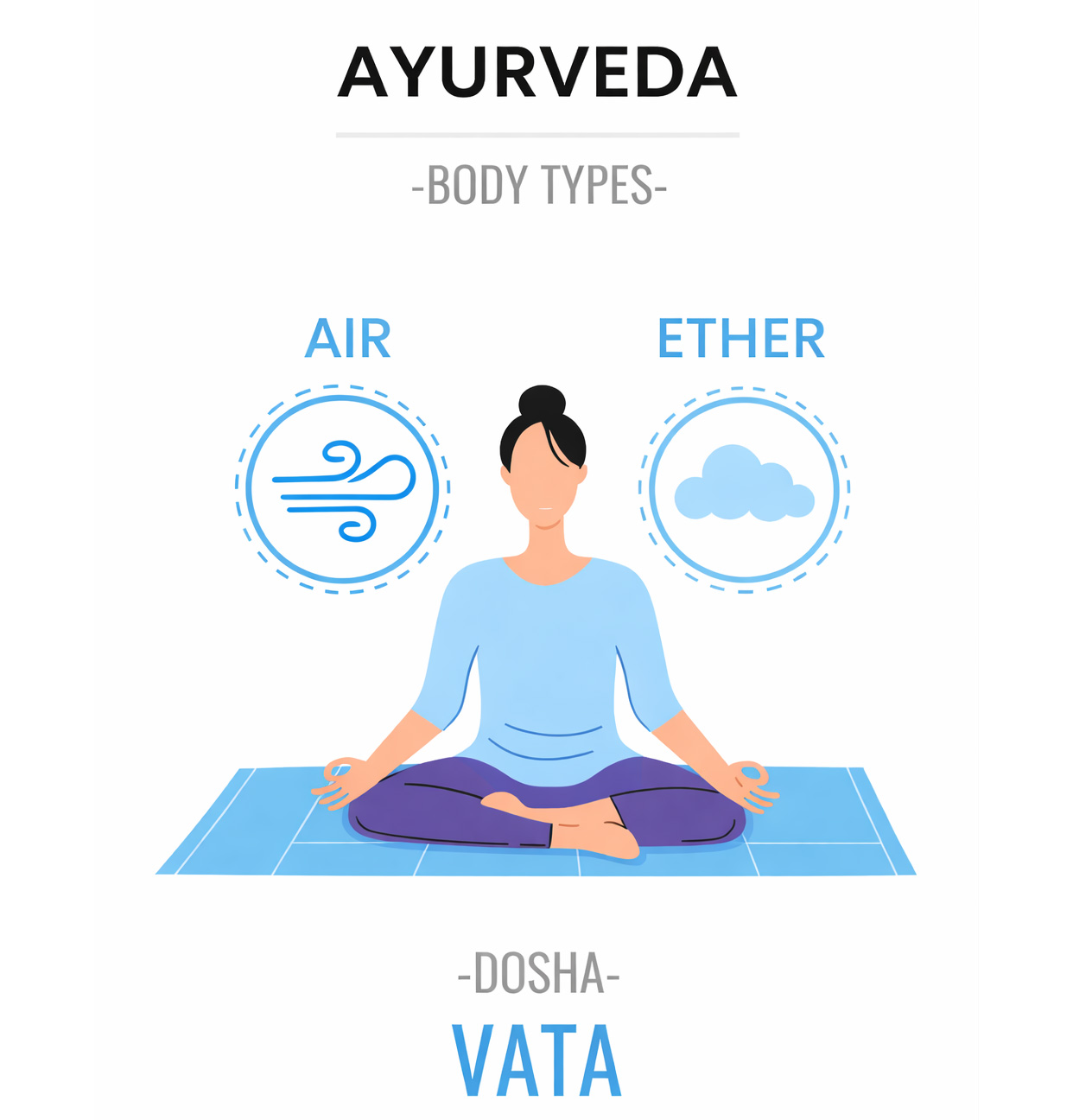
Vata (Air + Space)
Governs all movement — breathing, circulation, nerve impulses, joints and elimination. Imbalance causes pain, stiffness, dryness, anxiety, sleeplessness and nervous disorders.
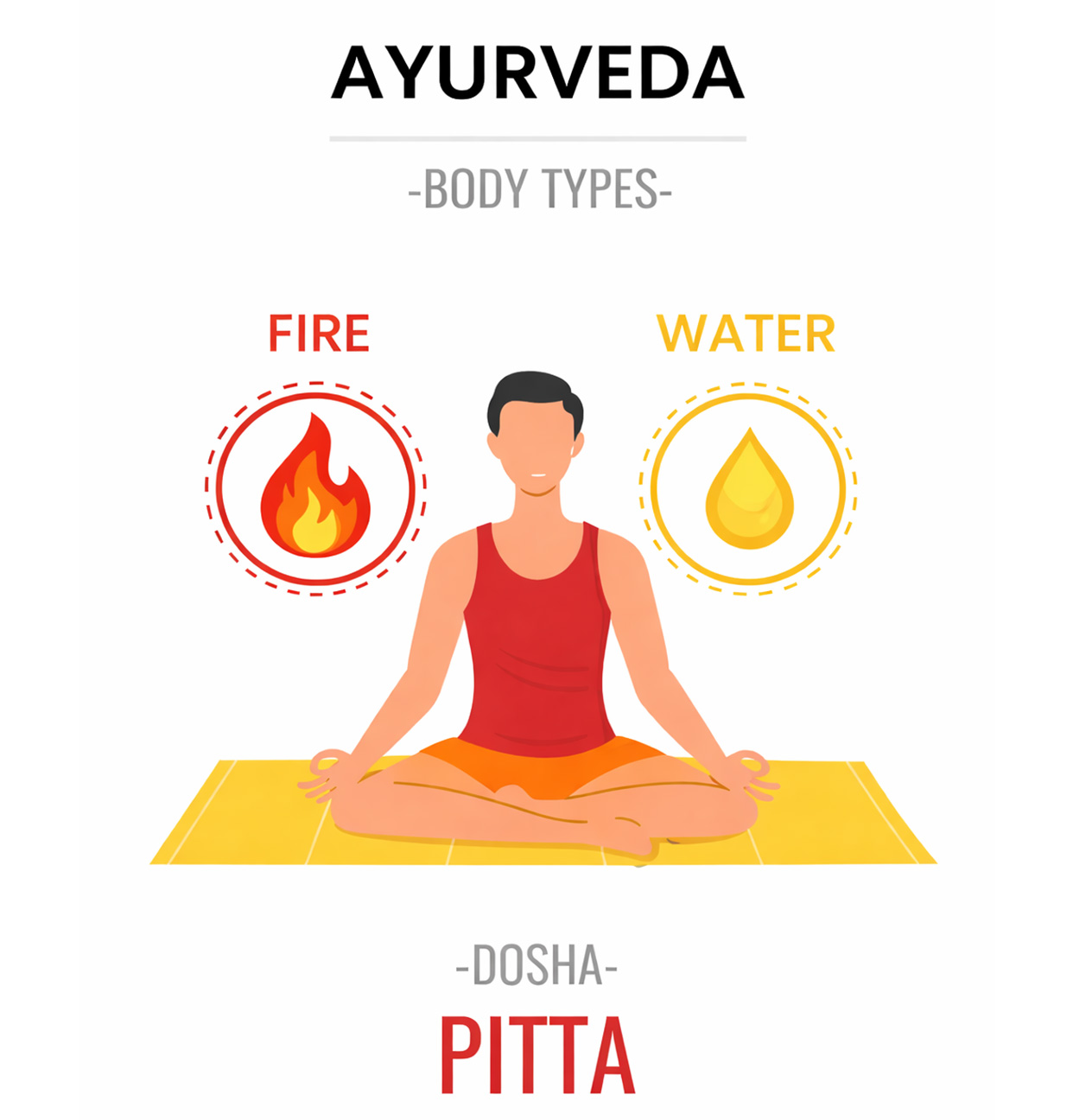
Pitta (Fire + Water)
Governs digestion, metabolism, body heat, vision and intellect. Imbalance causes acidity, burning, skin diseases, inflammation and anger.
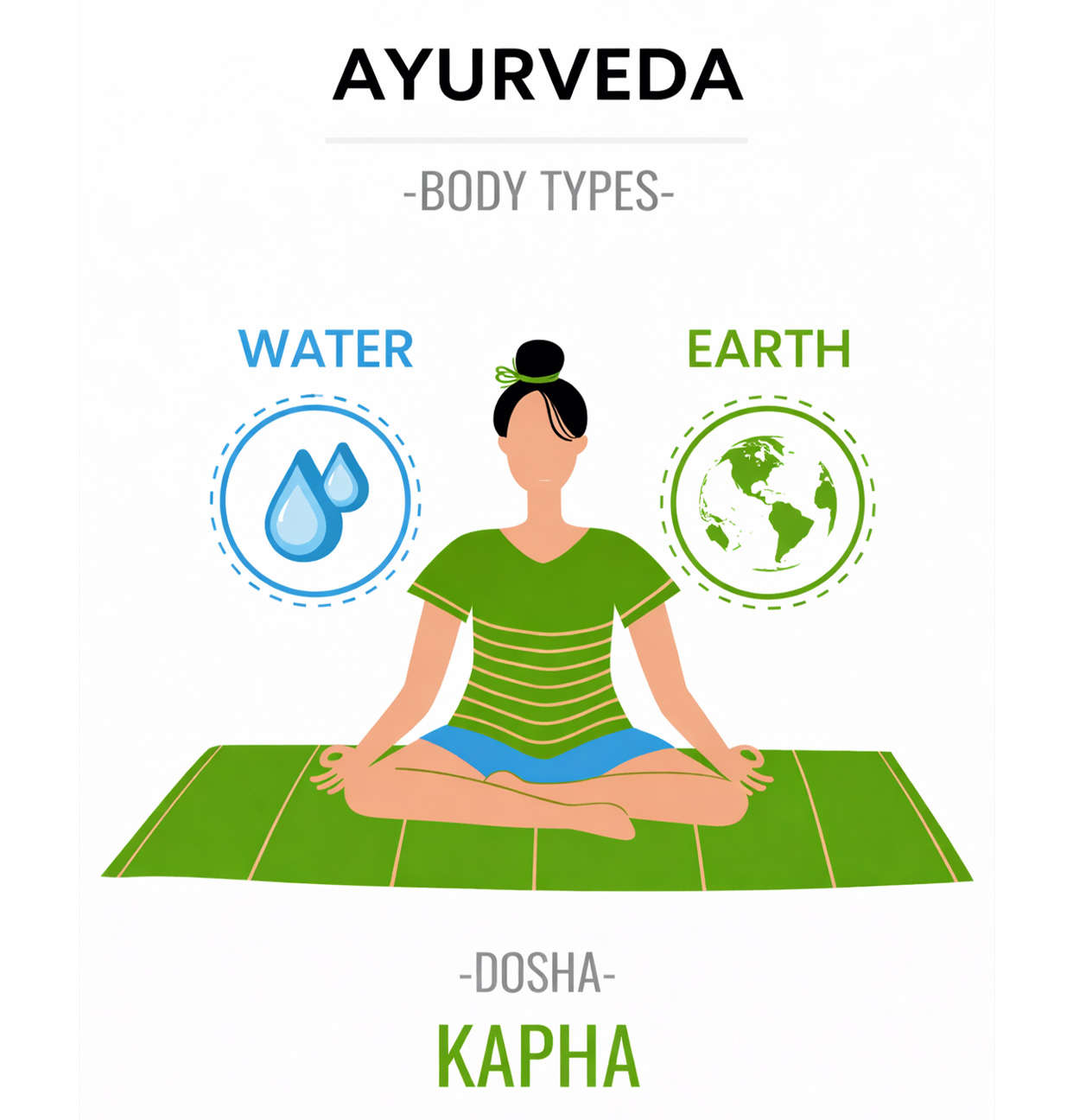
Kapha (Water + Earth)
Gives structure, stability, lubrication and immunity. Imbalance causes heaviness, obesity, cough, congestion, sluggishness and diabetes.
How Many Branches? — Ashtanga Ayurveda
Ayurveda has eight branches (Ashtanga), covering every field of medicine.
अष्टावङ्गानि तस्याहुश्चिकित्सा येषु संश्रिता॥
How Ayurveda Treats Disease
1. Nidana Parivarjana
Finding and removing the root cause — wrong diet, lifestyle or habits — so the disease does not keep returning.
2. Shamana
Pacifying the aggravated doshas with classical medicines, diet and lifestyle — suitable for mild conditions and weak patients.
3. Shodhana (Panchakarma)
Expelling the aggravated doshas out of the body through Panchakarma, so that the disease is uprooted completely.
4. Rasayana
Rejuvenation after purification — to strengthen tissues, immunity and longevity.
जिताः संशोधनैर्ये तु न तेषां पुनरुद्भवः॥
The Three Pillars of Life & Daily Routine
Charaka names Ahara (food), Nidra (sleep) and Brahmacharya (disciplined conduct) as the three supporting pillars (Trayopastambha) of life. The classics place prevention before cure: waking in Brahma Muhurta, oil massage (Abhyanga), exercise according to strength, eating only after the previous meal is digested, and following the routine prescribed for each season (Ritucharya) keep the doshas balanced. Seasonal purification — Vamana in spring, Basti in the rainy season and Virechana in autumn — removes the doshas that naturally accumulate with the change of seasons.
Experience Classical Ayurveda in Nangal
Vedicure Panchakarma Center & Ayurvedic Clinic — serving Nangal since 2011.
Next: About Panchakarma →WhatsApp: 96467 60033Call: 70094 98295